- International students from outside the EU can work 140 full days or 280 half days a year.
- To keep working student status, you usually work up to 20 hours a week during the semester.
- The minimum wage is €13.90 an hour in 2026 and rises to €14.60 in 2027.
- A Werkstudent job in your field is the strongest bridge to a full-time job after graduation.
My first job in Germany was as a working student in social media. It paid my rent, taught me how German companies work, and turned into a full-time role. If you are studying in Germany, this is the most important job you can get.
The rules
- Residence rule: students from outside the EU can work 140 full days or 280 half days a year (student work rules 2026).
- Working student status: during the lecture period you usually work up to 20 hours a week, more in semester breaks. This keeps lower social contributions.
- Pay: at least the minimum wage, €13.90 an hour in 2026 and €14.60 from January 2027 (Bloomberg Law).
How to get one
- Search for Werkstudent roles in your field. On LinkedIn, StepStone, company career pages and your university job board. See local job portals.
- Use a German style CV. Even for student jobs. See the CV guide.
- Apply early in the semester. Many companies hire for the next semester months in advance.
- Show you can stay. Companies prefer students who can work for at least two semesters.
From Werkstudent to full time
Tell your manager early that you want to stay after graduation, take on real projects, and write your thesis with the company if you can. Read jobs after a master's in Germany for the 18 month job search permit and the Blue Card switch.
Common questions
How many hours can a Werkstudent work?
Usually up to 20 hours a week during the lecture period, and full time in semester breaks.
How many days can non-EU students work per year?
140 full days or 280 half days.
What is the minimum hourly pay?
€13.90 in 2026 and €14.60 from January 2027.
STUDENT to @swapnil_in_germany on Instagram.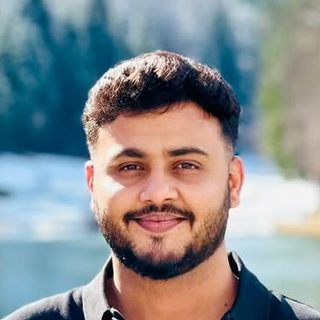
I moved to Germany for my master's, collected more than 1,000 rejections, and then got multiple job offers within six months. I work in digital marketing in Germany and help international professionals get hired in Europe. Read my story.