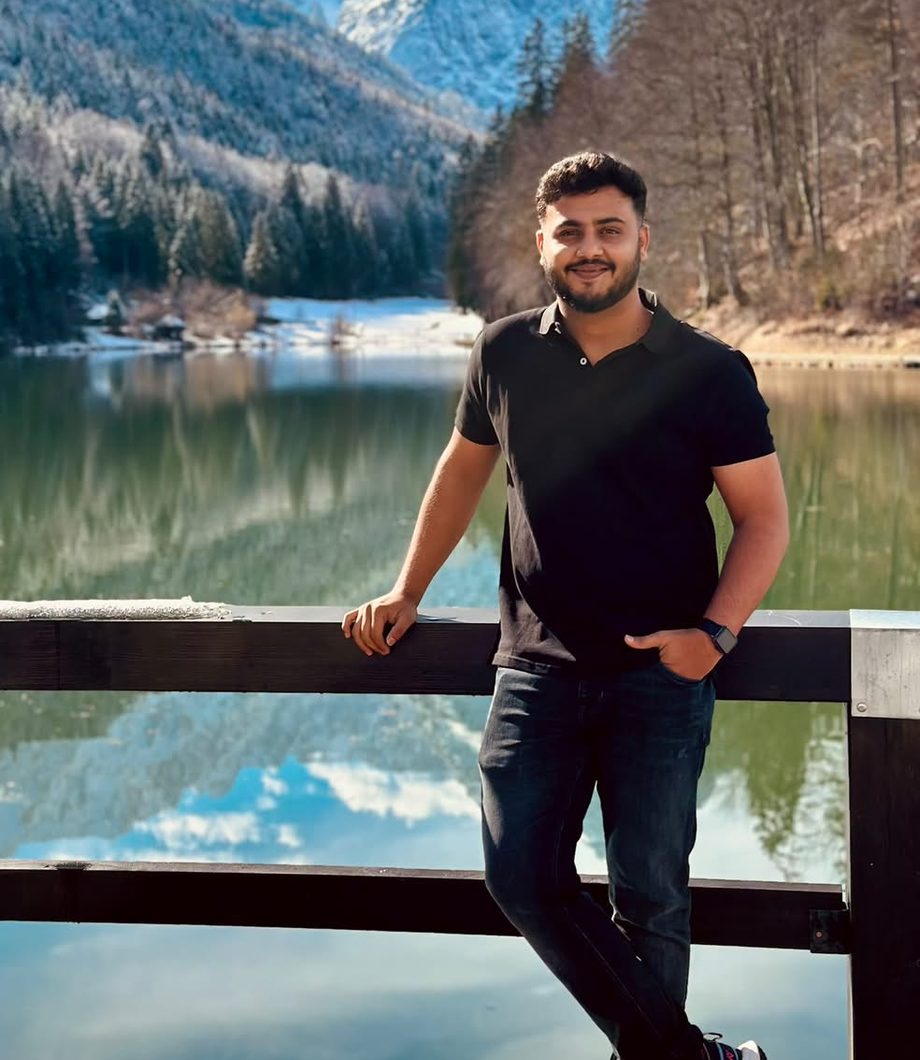

Germany
Priority 1Europe's largest job market and my main focus. Demand in IT, engineering, healthcare and skilled trades.
- Main route
- EU Blue Card, Opportunity Card
- Language
- German; English in many tech teams
- Unemployment
- 4.0%
Jobs in Germany and Europe for international professionals
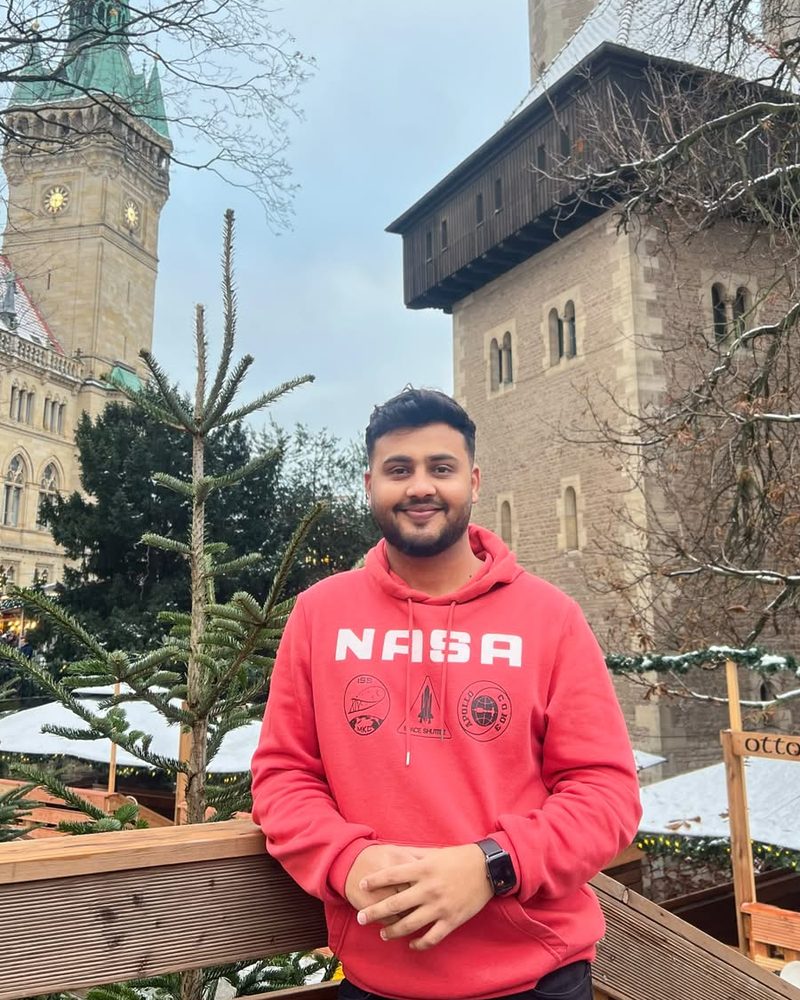
Applications open for 2026/27I'm Swapnil. I came to Germany for my master's with no contacts and no German, and I learned this job market the hard way. Today I head digital marketing at a German tech company, and I help international professionals get hired in Germany and Europe with a clear, honest strategy.
 Since 2021in the German job market
Brands I've delivered marketing projects for, at work in Germany and through collaborations
 BMW
 Porsche
 Volkswagen
 NVIDIA
 Dell
 Microsoft
 Mercedes-Benz
Plus 300+ brand collaborations worldwide as a creator and brand ambassador, from Silicon Valley to Bangalore startups.
The reality in 2026/27
I see good profiles get ignored every week. Germany's job market has slowed down, competition per job is high, and the old way of applying no longer works.
people unemployed in Germany
October 2026, according to the Federal Employment Agency.
open positions in Germany
First quarter of 2026, according to the IAB job vacancy survey.
unemployed people for every 100 open positions
That is the competition you are up against, and why a clear strategy matters.
Applicant tracking systems and busy recruiters drop CVs that don't match the role and the European format.
Many good roles sit on company career pages and local job boards that most applicants never open.
A short message to the right person often moves faster than one more application.
Outside IT, German changes your chances. And many people get the call but lose the interview.
Sources: Bundesagentur für Arbeit, October 2026 · IAB job vacancy survey, first quarter 2026
Where to target in 2026/27
Germany comes first. These eight countries hire the most international professionals in my experience, and the next three are strong second options depending on your profile.
Top hiring countries my main focus
Europe's largest job market and my main focus. Demand in IT, engineering, healthcare and skilled trades.
Highly skilled migrant visa through employers registered as recognised sponsors. Very international at work.

Brussels is very international. Work permit rules and salaries are set by each region.
Points-based system with a yearly shortage list. Vienna has many international employers.
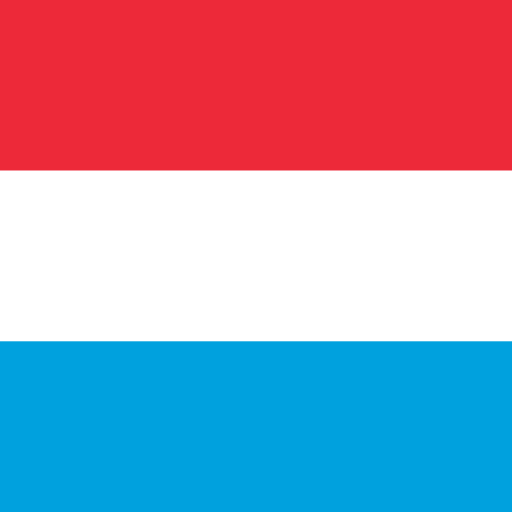
Small market with high salaries, strong in finance and tech, with many cross-border workers.
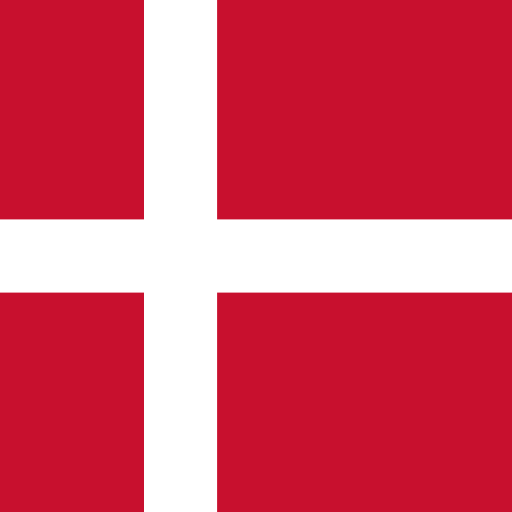
Clear schemes for skilled workers and a fast track for certified companies.
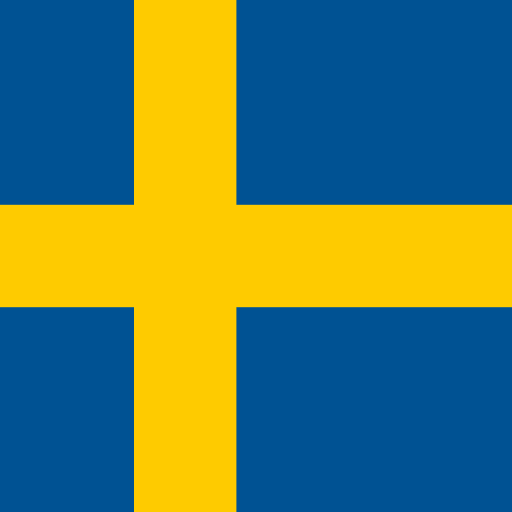
Strong tech and engineering sector, but competitive, with higher unemployment.
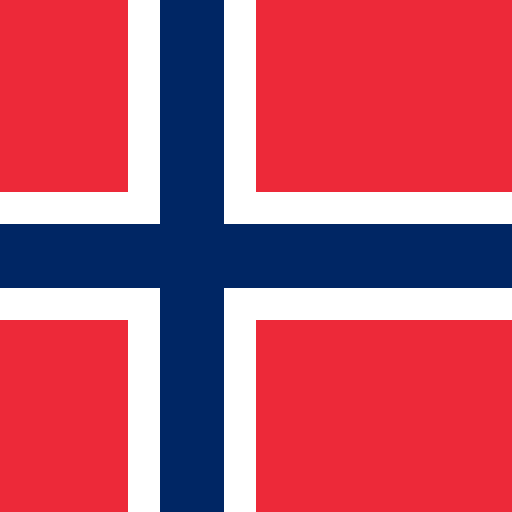
In the EEA, not the EU. Energy, engineering and tech hire internationally.
Second priority depending on your profile and languages
English-speaking, with strong tech and pharma sectors.

A fast track for specialists, but the highest unemployment on this list.
Growing tech and business service hubs and the lowest unemployment here; salaries are lower.
Unemployment: Eurostat, July 2026, seasonally adjusted, comparable across countries. Germany's national figure (Bundesagentur für Arbeit) uses a different method.
Rejection is normal
Rejections don't mean you are not good enough. They mean the approach needs to change.
I had more than 1,000 rejections, and many people who message me have just as many. In this market that is normal, and it says very little about your skills.
Every success story looks different. Some people start getting calls within a few weeks, others need months. What wins in Europe is a clear strategy, consistency and patience.
"It took time, but it worked. I didn't get calls initially, but your guidance and tools helped me stay consistent. After extending the program, I finally got an offer from a Stuttgart-based startup."Verified review on Topmate
Why Europe, honestly
No country is easy right now, and 2027 will not change that overnight. But the other big destinations have tightened their rules, while Germany and much of Europe still offer clear legal routes for skilled people.
 USA
A $100,000 employer fee on many new H-1B petitions, extended to September 2027 and still being fought in court. H-1B is also a lottery.
What it means: many employers hesitate to sponsor someone from abroad.
 UK
Since July 2025, most new Skilled Worker visas need a degree-level job paying at least £41,700. A 10-year path to settlement has been proposed.
What it means: fewer roles qualify, and settling takes longer.
 Canada
New temporary resident arrivals cut from 673,650 to 385,000 in 2026 and 370,000 in 2027. New study permits drop to 155,000, then 150,000.
What it means: much more competition for fewer places.
 Australia
Skilled work visas need employer sponsorship and a salary of at least AUD 79,499 from July 2026 to June 2027.
What it means: you need an employer to commit before you move.
Europe is not easy. It is a real option, if you go in with the right strategy.
As of November 2026. 2027 Blue Card figures are expected values, confirmed by the government in December (SE Legal). Sources: Mintz on the H-1B fee · UK Skilled Worker threshold · UK settlement proposals · Government of Canada · Baker McKenzie, Australia · Make it in Germany, Blue Card · Make it in Germany, Opportunity Card · The Local, citizenship
Why listen to me
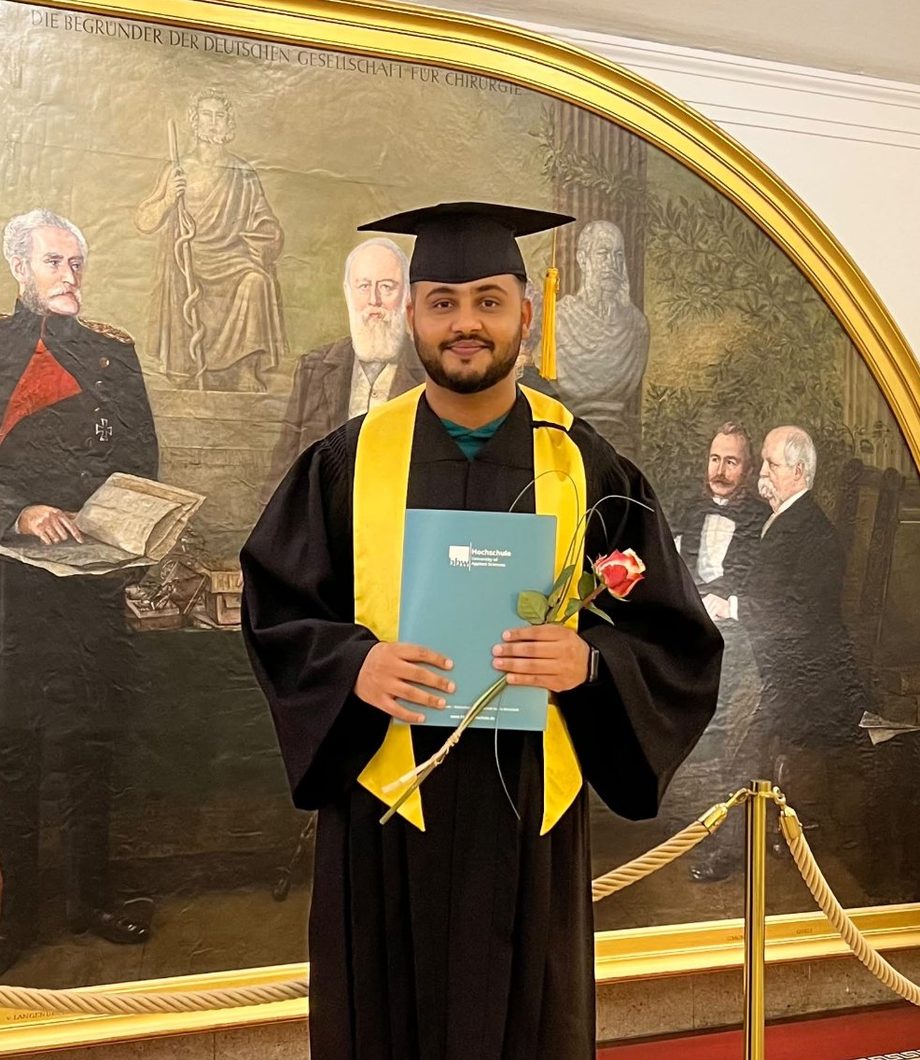
I lived every mistake you are trying to avoid.
I moved to Germany in October 2021 for my master's in Berlin, with no contacts and no German. I did food delivery and kitchen shifts to get by while I applied. More than 1,000 rejections came first.
Then I stopped applying randomly and started applying strategically. Within six months of starting my master's, I had multiple job offers, including a full-time role while I was still studying. I was the only one in my batch to do that.
Today I head digital marketing at a German tech company and also handle recruitment, so I see every day why some candidates move forward and others don't. I work with several other companies and have delivered marketing projects for brands like BMW, Mercedes-Benz, Porsche, NVIDIA and Microsoft.
The strategy
Four things decide most job searches. The program covers all four for you.
ATS-friendly and fully optimised to European standards, with the right keywords for each role, plus a matching cover letter.
A verified list of 300+ European employers that sponsor visas, and 88 local job platforms most applicants never use.
For each target company we reach 3 to 4 people, mostly by email and some on LinkedIn.
Mock interviews when calls come in, and free resources to learn German from A1 to B1.
Who is hiring internationally
From global brands to fast-growing startups. Many of them mention visa or relocation support in their job ads, so always check each ad.
Examples only. Names and logos belong to their owners; no partnership or endorsement is implied. My own list has 300+ verified employers that sponsor visas.
The 3-month program
Applications open for 2026/27
For about 12 people at a time. I lead every profile personally, together with my volunteer team, and we stay with you until you get a job.
Real results
Every review below is copied from my Topmate profile, where people rate me after working with me. Only first names or initials are shown.
Software Engineer offer, Berlin"Offer received, finally! ... Before his program I was applying for almost 2 years on my own, literally no replies, no screenings, nothing. ... He rebuilt my CV properly based on actual EU job descriptions, fixed my cover letter, and explained exactly what mistakes I was making. ... It took around 2 to 2.5 months but I finally started getting calls, then interviews, and now I've received an offer for a Software Engineer role in Berlin."
Opportunity Card to a Stuttgart contract"I'm 36, came to Germany on an opportunity card, and honestly, I was really stressed. Six months of job search, no luck. ... In a few weeks, things started to move. I now have a contract from a startup in Stuttgart. His support, updates, and realistic advice really helped. No fake promises, just solid help."
Offer from a Dutch company"After months of applying with no real progress, your program brought clarity and direction. Within 2 months I started seeing interview calls and finally got an offer from a Dutch company. Your CV, LinkedIn tips, and the application strategy really worked. Forever grateful!"
Data Scientist, Munich"I'm now working with a company in Munich as a Data Scientist and your help was a big reason for it. You made the process feel less stressful ... CV, resources, weekly updates, everything was just spot on."
Offer from a Stuttgart startup"It took time, but it worked. I didn't get calls initially, but your guidance and tools helped me stay consistent. After extending the program, I finally got an offer from a Stuttgart-based startup. Your realistic advice and structured process made all the difference."
Third interview round, Austria"I had been trying for a while, but breaking into interviews in this competitive market wasn't easy. After joining the program, I got a few interview calls ... and now I'm in the third round for a great role in Austria. His CV, LinkedIn guidance, and networking strategies genuinely work if you stick to them."
Software EngineerBerlinData ScientistMunichIT roleBerlinStartup rolesStuttgartOfferNetherlandsFinal interview roundsAustriaMy volunteer team includes people working at companies like BMW, Porsche and Deloitte. Reviews are shortened where you see "...". Every job search is different.
Who works with you
This is not a sales team. Every person here has lived the European job search.

Leads every profile
Head of digital marketing at a German tech company, also handling recruitment. I review every profile, set your strategy and stay with you until you get a job.
Professionals working in different countries across Europe. Many got their own jobs through this same process, at companies like BMW, Porsche and Deloitte, and now volunteer to help the next person.
Your replies, your networking and your interview preparation decide a big part of the result. This works when we work together.
Be honest with yourself
Language and your chances
Every country has its own language, but German is the most common mother tongue in the EU, and English is by far the most spoken foreign language. In practice, English opens doors in tech and international companies, while the local language opens most of the rest of the market. In Germany that is German; in the Netherlands it is Dutch.
German19%Share of EU citizens. Eurobarometer, survey from autumn 2023, published 2024.
German10%Share of EU citizens who speak it as a foreign language. Eurobarometer 2024.
In the program you get free resources to learn German from A1 to B1.
German leads in Germany, Austria and Switzerland. For other countries, the local language plays the same role. If you already know some German, Dutch is often quicker to pick up.
Sources: Eurobarometer via Statista, mother tongues · Eurobarometer 2024, foreign languages · Make it in Germany, Opportunity Card · Make it in Germany, Blue Card
Before you apply
The short version. Each block links to a detailed article, and you can get the PDF by sending me the keyword on Instagram.
SALARY for the PDFOC for the PDFCV for the PDFENGLISH for the PDFPORTALS for the PDFSCAM for the PDFBlog and news
Practical advice and the latest rules for jobs in Germany and Europe, with official sources.
Which European countries hire Indian professionals in 2026/27: work permit routes, 2026 salary thresholds, languages and unemployment for 11 countries, with charts.
The Federal Employment Agency's October 2026 figures: 2.955 million unemployed, 654,000 registered vacancies, and what this means for international job seekers.
A realistic roadmap for Indian professionals to get a job in Germany in 2026/27: the four routes, degree recognition, CV, interviews, offer and visa.
Which public universities in Germany are still tuition free for Indian and other non-EU students in 2026/27, where fees apply (Baden-Württemberg, TUM), and what you pay anyway.
The official and local job portals for 12 European countries, why local platforms matter for international job seekers, and how to search them in English.
How visa sponsorship works for jobs in Germany, the Netherlands, Ireland and other European countries in 2026/27, how to find employers who hire internationally, and the scams to avoid.
Students
Many people start with a master's. I wrote honest guides on free universities, applications from India and the real costs. Students can message me too.
Questions
No. I'm a working professional in Germany. I head digital marketing at a German tech company, and I personally guide a small group of people at a time.
My teammates are professionals across Europe who volunteer their time. I'm not a recruitment, placement or visa agency, and I don't take money from employers.
Yes, it's a paid program, and I keep it affordable on purpose. The fee is there to value the time my team and I put into your profile, not to make money from your struggle.
Message me on WhatsApp or by email, and I'll share the exact fee, what's included and the next start date. Many people who joined describe the fee as very reasonable.
There is never a perfect time, but this is a good one. Hiring in Germany usually picks up again in the first months of the year, once new budgets are set. If you start in November or December, your CV, strategy and first applications are ready when it does.
No, and nobody can honestly promise that. The company always makes the final decision. What I give you is a strong European CV, a clear strategy, 12 weeks of applications on your behalf, networking and interview preparation. Your consistency decides a big part of the result.
In week 1 we build your ATS-friendly CV and cover letter to European standards, plus your strategy for the next 3 months. From week 2, my team and I apply for jobs on your behalf for 12 weeks and you see every application in a weekly tracker. When interview calls come, we do mock interviews. You also get free German learning resources, certification guidance and mentorship until you get a job.
Applications on your behalf run for 3 months. After that, you keep access to me for guidance and mentorship until you get a job.
Every story is different and nobody can promise a timeline. Some people in my program start getting calls within a few weeks, others need several months. What makes the difference is consistency and patience.
It depends on the role. In IT and some engineering jobs, English can be enough. For most other roles, German makes a real difference, and many employers ask for it. In the program I share free resources to learn German from A1 to B1, and I tell you honestly where you stand. Outside Germany it is the same idea with the local language: Dutch in the Netherlands and Flanders, French in Brussels and Wallonia, and Swedish, Danish or Norwegian in the Nordics.
Germany first. Depending on your profile, also the Netherlands, Belgium, Luxembourg, Austria, Denmark, Sweden, Norway, Finland, Ireland and Poland.
I review every profile myself: your experience, your target role and how ready you are to put in the work. I take about 12 people at a time, so a good fit matters for both of us. If I don't think I can help you, I'll tell you.
Once you have an offer, I guide you through the visa and relocation steps from my own experience and point you to official sources such as Make it in Germany. I'm not a visa agency, and the authorities make every visa decision.
No. Rejection is normal in this market, and I had more than 1,000 myself, and many people who message me have just as many behind them. In most cases the profile is fine and the approach is the problem: the wrong CV format, the wrong companies or no contact with people inside.
Message me on WhatsApp or email me with your CV and LinkedIn profile when you are ready to start. I read and answer every message myself, not a sales team, so a reply can take a little time.
Stay connected
Scan with your phone camera, or tap a card. Instagram is where I share new openings, guides and updates every day.
swapnil_in_germany
Swapnil | Jobs in Germany and Europe
Daily job openings, free guides and honest updates about working in Germany and Europe. Send a keyword by DM and get the PDF.
Send me a message on WhatsApp with your CV and LinkedIn profile, or email me. I review every profile personally and tell you honestly whether I can help.
I handle every message myself, so replies can take a little time.